Expert Bass Fishing Trips Branson Missouri
Bass Fishing in Branson MO - What to Expect

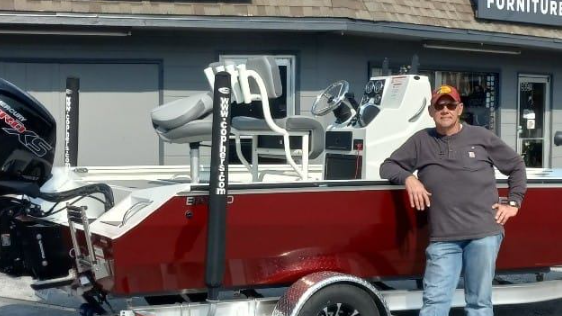
Guided Fishing Trip by Guide Ronnie Lawson in April
- Book Our Best Branson Fishing Charter Now!


Summary
Join guide Ronnie Lawson on a guided fishing trip in Branson, MO to target largemouth and smallmouth bass. This Thursday in April offers ideal conditions for connecting with these hard-fighting species using proven techniques and local knowledge.
Guided Bass Fishing with Ronnie Lawson - Rates & Booking
Guide Ronnie Lawson of Fish On Guide Service operates guided fishing trips on Branson waters, where anglers pursue largemouth and smallmouth bass throughout the year. Trips are conducted on local lakes known for consistent bass populations and excellent fishing opportunities. For specific rates, trip duration, group sizes, and current availability, contact Fish On Guide Service directly to reserve your guided experience.
When booking your guided trip, ask about what gear and tackle are provided, whether fishing licenses are included, and what's needed to prepare for your day on the water. Ronnie's local expertise ensures you're fishing the best spots and using techniques suited to current conditions.
Highlights of Bass Fishing in Branson
Branson's lake systems provide diverse habitat for both largemouth and smallmouth bass. These waters feature rocky structures, submerged timber, and shallow flats where bass actively feed throughout different seasons. The guided approach allows anglers to learn location selection, seasonal patterns, and presentation techniques that make the difference between casual fishing and consistent success.
Working with an experienced guide means understanding how weather, water clarity, and time of year affect bass behavior and feeding windows. You'll gain insights into reading the water, identifying productive zones, and adapting your approach based on what the bass are doing.
Local Species Insights: Largemouth and Smallmouth Bass
Branson waters hold both largemouth and smallmouth bass species, each with distinct habitat preferences and behavioral patterns. Largemouth bass typically inhabit areas with heavy cover - vegetation, fallen trees, and shoreline structure where they ambush prey. Smallmouth bass prefer rocky substrates, deeper channels, and areas with current flow where they feed on crawfish and baitfish.
Understanding these preferences is key to effective fishing. Largemouth respond well to topwater lures and soft plastics worked around cover, while smallmouth often require slower presentations near bottom structure. Water temperature drives feeding intensity throughout the season. Spring and fall typically offer peak activity as bass move between shallow feeding zones and deeper refuges. Summer heat can push fish deeper, requiring adjustment to subsurface techniques and timing your fishing around cooler parts of the day.
Bass are ambush predators that rely on detecting movement and vibration in the water. They'll aggressively strike prey that enters their strike zone, but fishing pressure can make them more cautious. Learning to read subtle signs of bass activity - slight surface disturbances, water color changes, and structural elements - helps you locate fish consistently. A guide like Ronnie brings years of experience recognizing these patterns and knowing how to adapt tactics to what the fish are doing.
Plan Your Bass Fishing Day
Most guided bass fishing trips accommodate small groups, allowing personalized instruction and flexibility to explore different areas. Your day typically involves moving between multiple fishing zones to locate active bass and maximize your catching opportunities. Bring comfortable clothing suited to being on the water, polarized sunglasses to see beneath the surface, and be prepared for variable weather conditions that Branson lakes can experience.
A guided trip provides instruction on proper casting technique, lure selection based on conditions, and fish handling practices that keep bass healthy. Even experienced anglers benefit from learning location-specific knowledge that guides develop through regular time on these waters.