%2Ffit-in%2F250x250%2Fguide_websites%2F11684%2Fimages%2Ffishonguideservices-1_1677481459.webp&w=1920&q=100)
Burbot Fishing in Branson MO - Guided Trip Results
Burbot Fishing in Branson - What to Expect
%2F%2Fusers%2F0135b851-595d-4f0d-b3a3-ff4262acdde2%2Fimages%2Fbranson-mo-burbot-fishing-catch-2415.jpg&w=1920&q=75)
Guided Fishing Trip by Guide Ronnie Lawson in October

- Book Our Best Branson Fishing Charter Now!


Summary
Experience a guided fishing trip on Monday, October with Ronnie Lawson of Fish On Guide Service in Branson, MO. This guided fishing trip targets burbot and other local species in prime Branson waters. Learn insider techniques from a seasoned guide and land quality catches in one of the region's premier fishing destinations.
Guided Fishing with Ronnie Lawson - Rates & Booking
Guide Ronnie Lawson of Fish On Guide Service offers a guided fishing trip in Branson, MO on Monday, October. This experienced guide brings local expertise to target quality fish species throughout the productive Branson waters. To book your guided fishing trip and learn about current rates, contact Fish On Guide Service directly for availability and trip details.
When you fish with Ronnie Lawson, you gain access to proven techniques and local knowledge developed through years on Branson's waters. Your guide provides instruction suitable for all skill levels and shares insider tips on species behavior and seasonal patterns.
Highlights of Your Guided Fishing Experience
Branson's waters offer consistent fishing opportunities with quality catch potential. The combination of structure and varied habitat creates productive conditions for multiple species. Whether targeting burbot or other local fish, you'll experience the professional approach that makes guided trips worthwhile.
Working with a knowledgeable guide means learning where fish concentrate, understanding seasonal movements, and mastering the techniques that produce results. Your guide handles the planning while you focus on the fishing experience and enjoying time on the water.
Local Species Insights: Burbot
Burbot represent a unique fishing opportunity in Branson waters. These deepwater dwellers exhibit distinct behavior patterns that separate them from typical gamefish. Understanding burbot habitat preference and feeding cycles is essential for consistent success.
Burbot thrive in deeper, cooler environments where they hunt primarily during low-light periods. Their bottom-feeding nature means precise depth control and structure awareness become critical success factors. Local guides like Ronnie Lawson know the specific locations where burbot congregate and the seasonal timing that maximizes your opportunity to connect with these distinctive fish.
The species demands respect for proper technique. Successful burbot anglers focus on vertical presentations, precise depth placement, and patience during extended fishing periods. Branson's geography provides multiple productive zones where conditions align for quality burbot activity throughout the season.
When you target burbot with an experienced guide, you're learning species-specific approaches that apply across different water systems. This specialized knowledge transfers value beyond your immediate trip, building your understanding of deepwater fish behavior and offshore fishing principles.
Burbot fishing rewards attention to detail and willingness to explore productive depths. The species responds to anglers who understand habitat structure, seasonal temperature changes, and forage patterns. Local expertise proves invaluable when pursuing this rewarding quarry in Branson waters.
Plan Your Guided Fishing Day
Your guided fishing trip begins with your guide's local knowledge and professional preparation. Fish On Guide Service handles the logistics while you prepare for an active day on the water. Branson's fishing environment offers natural scenic beauty combined with genuine fishing opportunity.
Plan on spending quality time learning from your guide while pursuing fish in prime habitat. The professional approach ensures your time on the water remains focused and productive. Your guide reads conditions throughout the day and adapts strategy based on real-time activity and environmental factors.
Success on guided trips comes from following your guide's direction, remaining flexible with their recommendations, and maintaining consistent effort throughout your fishing window. Branson waters reward patience and proper technique, especially when pursuing species like burbot that require specialized approaches.
Fishing in Branson: Burbot
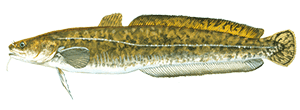
Burbot Overview
The Burbot (Lota lota) is a fascinating and unusual freshwater fish belonging to the family Lotidae within the order Gadiformes. This remarkable species stands out as the only cod-like fish found exclusively in freshwater environments, making it a true gem for anglers and naturalists alike. With its serpentine body that resembles a hybrid between an eel and a catfish, the Burbot has earned a unique place in coldwater ecosystems across North America and parts of Europe. What makes this fish truly special is its ability to thrive in freezing temperatures where most other species would struggle to survive, often remaining active under frozen lake surfaces during the harshest winter months.
If you're exploring coldwater fisheries around pristine northern lakes and rivers, chances are excellent that you'll encounter tales of the mysterious Burbot lurking in deep, icy waters. This species has captivated outdoor enthusiasts for generations, offering an exciting winter fishing opportunity that few other freshwater fish can match.
Burbot Habitat and Distribution
Burbots are coldwater specialists that absolutely love frigid freshwater environments. They inhabit freezing rivers, lakes, and reservoirs throughout northern North America, with strong populations extending from Alaska and Canada southward through the northern United States. These fish are incredibly adaptable to different substrate types, often hiding and foraging among mud, gravel, sand, silt, and boulder-strewn bottoms. What's particularly interesting is their preference for areas with reduced water current—they simply cannot tolerate strong currents, which means slower-moving sections of rivers and deep lake basins become their preferred territories.
One remarkable ecological relationship worth noting is how Burbots coexist peacefully with beavers. When beavers construct their dams, they slow down water currents significantly, creating ideal conditions for Burbots to thrive and establish stable populations. During spawning season, these fish make rare exceptions to their freshwater preference and occasionally venture into brackish waters. Throughout coldwater regions from the Great Lakes to remote subarctic systems, the Burbot remains relatively common, though populations in the United Kingdom have declined significantly—though recent reintroduction efforts offer hope for their return to historic British waters.
Burbot Size and Weight
The average Burbot typically grows to around 16 inches in length, though individual specimens display remarkable size variation. Most fish encountered by anglers range between 12 to 47 inches, with exceptional specimens occasionally exceeding 60 inches in length. Weight correlates directly with length, with typical catches weighing between 2 to 5 pounds, while larger individuals can tip the scales at 25 pounds or more—some rare trophy fish have been documented at weights exceeding 26 pounds. This size variability means every Burbot fishing expedition offers the possibility of landing anything from a modest 12-inch specimen to a genuine trophy-class fish, keeping anglers engaged and excited regardless of experience level.
Burbot Diet and Behavior
One of the most appealing characteristics of the Burbot is its non-selective diet and willingness to feed consistently throughout the year. Young Burbots typically sustain themselves on zooplankton and small aquatic organisms, but as they mature, their appetite expands dramatically. Adult fish readily consume smaller fish species including grayling, lampreys, young northern pike, trout, perch, suckers, and sticklebacks. This opportunistic feeding strategy makes them relatively easy targets for anglers willing to experiment with different baits and presentations.
Behaviorally, Burbots are primarily nocturnal hunters that become increasingly active as water temperatures drop and daylight decreases. Unlike most freshwater species that slow down during winter, these fish actually become more energetic and aggressive as ice forms on lake surfaces. They spend daylight hours hiding in deep holes, under vegetation, or within rocky crevices, emerging at dusk and throughout the night to actively hunt. This winter activity pattern is one of the primary reasons ice fishing for Burbot has become such a popular and rewarding pursuit in northern regions.
Burbot Spawning or Seasonal Activity
The Burbot's reproductive cycle is uniquely aligned with winter conditions, making it one of the few freshwater fish species that actively spawns during the coldest months of the year. Spawning typically occurs in December through February when water temperatures plummet and ice covers lakes and rivers. Unlike species that require warming temperatures to trigger breeding, Burbots actually require freezing conditions for successful reproduction. During these spawning periods, mature fish migrate to suitable substrates—typically rocky or gravelly areas—where females deposit their eggs and males fertilize them.
This winter spawning adaptation represents a major evolutionary advantage, as it allows Burbots to capitalize on a time window when predation pressure is minimal and food competition from other species is virtually non-existent. The fry develop slowly under the ice, emerging as juveniles when spring warming begins to break up the frozen landscape. This remarkable seasonal pattern means that winter fishing season, particularly when ice first forms and during the depth of frozen conditions, represents the absolute prime time for observing and catching active Burbots.
Burbot Techniques for Observation or Capture
Ice Fishing with Cut Bait: The most effective method for catching Burbot involves ice fishing with fresh-cut bait during winter months. Begin by drilling holes through the ice and positioning your bait—cut pieces of trout, perch, or northern pike work exceptionally well—several feet above the bottom. Use a weighted sinker to ensure your bait descends quickly and remains near the lake floor where Burbots actively hunt. Set multiple lines if local regulations permit, checking them regularly throughout the night. The fish are most active during darkness, so evening and nighttime fishing yields superior results compared to daytime efforts. Around major coldwater lakes in Minnesota and Wisconsin, ice anglers report consistent success by maintaining patience and covering multiple holes simultaneously.
Flash Lures and Jigging: For a more active approach, deploy glow-in-the-dark flash lures that attract Burbots from considerable distances. These specialized lures mimic the appearance of small baitfish and trigger aggressive strikes from hungry winter fish. Charge your lure every 15-20 minutes to maintain its luminescence, and jig it slowly near the bottom with subtle, controlled movements. This technique works particularly well during the first few weeks of ice formation when water clarity remains high and light penetration is optimal. Many anglers alternate between jigging and stationary bait fishing to maximize their chances throughout a single outing.
Deep Hole Prospecting: Scout your fishing location before the season begins, identifying the deepest holes and underwater structures where Burbots concentrate during winter. Once you've located promising habitat, return to these exact spots repeatedly. Deep holes near drop-offs, old river channels, and areas with minimal current represent premium real estate. Set up camp at these locations during prime feeding hours (late evening through early morning), and remember that persistence often rewards patient anglers. Around northern reservoir systems and glacial lakes, deep holes frequently hold multiple fish, making them worth the extra effort required to reach and fish them effectively.
Burbot Culinary or Utilization Notes
Burbots possess average food quality with edible white flesh that has been enjoyed by indigenous peoples and settlers in northern regions for centuries. The flesh is firm and somewhat mild, though not particularly prized compared to other freshwater species like walleye or northern pike. In culinary applications, Burbot can be prepared through baking, frying, or steaming, though many modern anglers practice catch-and-release rather than harvesting them for consumption. From a sustainability perspective, checking local regulations regarding legal harvest sizes and bag limits is essential, as some regions actively encourage or restrict Burbot harvest to maintain population stability. The fish's limited commercial value and average palatability mean that most contemporary Burbot fishing is pursued for the sport and challenge rather than as a primary food source.
Burbot Frequently Asked Questions
Q: What is the best bait for catching Burbot?
A: Cut bait from trout, perch, northern pike, or other freshwater fish species consistently outperforms other options. The key is using fresh bait that releases scent into the water, attracting Burbots from distance. Live bait can work but isn't necessary since these fish respond readily to dead bait presentations. Many successful anglers simply use whatever live bait species is locally abundant and legal to use.
Q: When is the absolute best time to fish for Burbot?
A: Winter is prime time, with the season peaking from December through February when water is frozen and Burbots are most active. Fishing during darkness—particularly from dusk through early morning hours—significantly increases your success rates. Unlike most freshwater species, Burbots actually become more aggressive as temperatures drop and daylight decreases, making them ideal winter quarry.
Q: Where can I find Burbot in major fishing regions?
A: Burbots inhabit coldwater lakes, rivers, and reservoirs throughout northern North America. Major populations exist in the Great Lakes system, northern Minnesota and Wisconsin waters, Canadian shield lakes, and subarctic river systems. Check with local fishing guides and state fisheries departments for specific hotspots in your region, as deep holes and slow-current areas consistently hold the highest concentrations of fish.
Q: Are Burbots good to eat?
A: Burbots have average food quality with edible white flesh, but they're not particularly prized compared to other freshwater species. Most modern anglers practice catch-and-release, valuing them primarily for the sporting challenge rather than the culinary reward. Always check local regulations regarding harvest limits before considering keeping any fish.
Q: How do I identify a Burbot from other fish species?
A: The distinctive short barbel under the chin is the most reliable identification feature, combined with the serpentine body shape and unique coloration pattern. Look for the mottled black coloring on the body with bright yellow undertones, the pale-blue dorsal fin split into two sections, and the characteristic square-edged caudal fin. These features together make Burbots unmistakable once you've encountered them in person.
Q: Can I catch Burbot during other seasons besides winter?
A: While technically possible, Burbots are dramatically more difficult to catch outside winter months. They become lethargic and less responsive during warming periods, making summer fishing essentially unproductive. Spring and fall fishing can occasionally produce results, but nothing compares to the consistency and excitement of dedicated winter ice fishing efforts when these remarkable fish reach peak activity levels.